
Gynecology

〒150-003314-23 Sarugaku-cho, Shibuya-ku, Tokyo
03-6416-1367

Gynecology
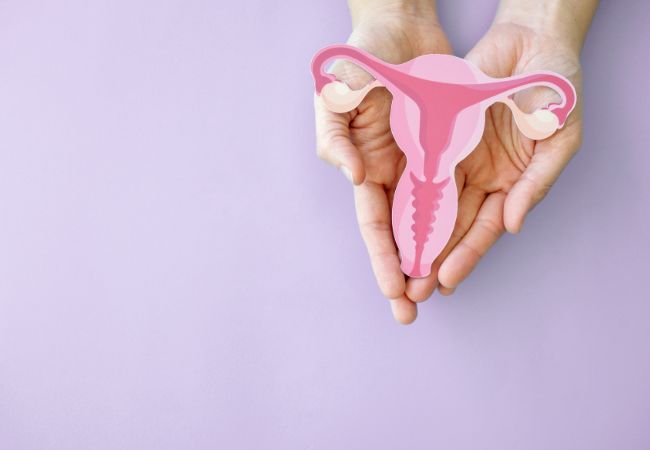
When people hear the word “gynecology,” some may feel anxious or find it difficult to visit, thinking it’s a bit intimidating.
Obstetrics provides examinations, treatments, and support for expectant mothers throughout pregnancy and childbirth.
Gynecology, on the other hand, focuses on medical conditions specific to women.
In gynecology, we address a wide range of concerns—such as menstrual or discharge issues, PMS/PMDD, breast diseases, conditions affecting the uterus and ovaries, sexually transmitted infections (STIs), menopausal disorders, contraception, infertility, and pregnancy-related consultations.
We care for women’s health throughout all stages of life, from childhood to old age.
Even for seemingly minor concerns—such as “my period is irregular or different from usual,” or “since entering my 40s, I’ve been feeling unwell, maybe due to menopause”—please feel free to consult us.
Women’s health issues are often deeply intertwined between the mind and body, making it difficult to distinguish whether symptoms are psychological or physical.
We will carefully assess the situation and provide appropriate treatment as needed.
In recent years, gynecologic cancers (such as uterine cancer, cervical cancer, and ovarian cancer) have been on the rise.
Unfortunately, Japan’s screening rate remains very low—only 42.1%, less than half of eligible women—which is among the lowest compared to other developed countries.
As with all cancers, early detection and early treatment are crucial.
Menstruation is defined as a natural and periodic bleeding from the uterine lining that occurs at intervals of about one month (every 25–38 days) and stops spontaneously after about 3–7 days (with an average of 4.6 days).
Irregular menstruation refers to deviations from this normal menstrual cycle, in which the cycle becomes either shorter or longer than usual.
When the cycle becomes shorter, it is called frequent menstruation (polymenorrhea), and when it becomes longer, it is called infrequent menstruation (oligomenorrhea).
These irregularities may be caused by abnormalities in ovulation or follicular maturation.
Menstruation is regulated by female hormones.
While the ovarian follicle containing the egg grows, a hormone called estrogen is secreted in large amounts.
After ovulation, the secretion of progesterone, a hormone that supports pregnancy, increases.
If pregnancy does not occur, the uterine lining sheds and menstruation begins.
When the balance of these hormones is disrupted, menstrual irregularities can occur.
Possible causes include excessive dieting, obesity, irregular lifestyle habits, and psychological stress.
In some cases, disorders of the uterus, ovaries, or thyroid gland may also be responsible, so medical attention is advised.
In many cases, irregular menstruation can improve simply by maintaining a regular lifestyle and getting enough sleep.
However, if menstrual irregularities persist, they can make it more difficult to conceive.
Therefore, if irregular periods occur repeatedly, it is advisable to consult.
Itching in the female genital area can have various causes, including infections of the vulva, systemic diseases, or sometimes unknown reasons.
Major vulvar infections include bacterial infections (such as those caused by Staphylococcus or E.coli), trichomoniasis, and vulvovaginal candidiasis.
Vulvovaginal candidiasis is a common infection, often characterized by thick, white discharge resembling sake lees and intense itching.
Apart from infections, itching can also be a sign of systemic diseases, such as malignant tumors.
In addition to malignancies, liver disease, kidney disease, diabetes, and vitamin deficiencies are possible causes.
Symptoms may also arise due to weakened immunity, so attention is needed in such cases.
There are also cases where itching is related to stress or psychological factors, as well as autonomic nervous system imbalances, which are often linked to decreased immunity.
Therefore, stress management is important.
Sometimes, symptoms may improve simply by changing sanitary pads or panty liners, or by reviewing laundry detergents and fabric softeners.
Treatment for itching depends on the underlying cause and symptoms, and may include symptomatic therapy, oral medications, or topical medications.
Major diseases of the uterus and ovaries include uterine fibroids, endometriosis, cervical cancer, endometrial cancer, and ovarian tumors (both benign and malignant).
While malignant tumors are obviously serious, benign tumors can also cause infertility or carry a risk of becoming cancerous, so early detection and treatment are important.
Abnormal bleeding may appear as an initial symptom, so if you experience bleeding after menopause, bleeding during intercourse, or pain, it is recommended to visit a gynecologist promptly.
Uterine fibroids are benign tumors that develop in the muscular layer of the uterus.
They are most commonly seen in middle-aged women and may shrink after menopause.
Since they occur during the reproductive years and tend to decrease in size after menopause, ovarian hormones are believed to play a significant role.
Symptoms vary depending on the location of the fibroid, but increased menstrual flow and menstrual pain (dysmenorrhea) are common.
Even small fibroids inside the uterus can cause symptoms.
Large fibroids may lead to infertility or miscarriage, and in some cases, the tumor can press on the urethra, causing frequent urination.
The endometrium normally develops inside the uterus each menstrual cycle, serving as a “bed” to support a potential pregnancy.
Endometriosis occurs when the endometrium, or tissue similar to it, grows outside the uterus.
This condition can cause worsening menstrual pain, increased menstrual bleeding, pain during intercourse, pain during bowel movements, and ovarian cysts.
Treatments may include medications such as hormonal pills.
Cervical cancer primarily develops at the entrance of the uterus due to infection with the HPV (human papillomavirus).In recent years, the incidence among younger women has been increasing.Regular screenings and the cervical cancer vaccine are recommended.
Endometrial cancer most commonly occurs in women around menopause, peaking in their 50s to 60s.However, any abnormal bleeding should be taken seriously regardless of age.
Menopausal symptoms can be broadly divided into three categories.
Related to blood vessel dilation and heat release, such as sweating, hot flashes, flushing, and feeling overheated.
Including decreased motivation, low mood, emotional instability, irritability, and insomnia.
Such as chest tightness, palpitations, dizziness, headaches, stiff shoulders, back pain, lower back pain, coldness, joint pain, numbness, and fatigue.
In particular, Japanese women often report symptoms such as stiff shoulders and fatigue.
Menopausal disorders present a wide variety of symptoms, so it is important to confirm that each symptom is not caused by another underlying condition.
This period of life often coincides with major changes, such as children becoming independent, a spouse’s retirement, or the need to care for aging parents, and these environmental changes can worsen symptoms.
Regular self-care, such as moderate exercise, massages, and activities to refresh the mind, is recommended.
If symptoms become severe enough to interfere with daily life, visiting a gynecologist is advised.
Treatments such as herbal medicine, hormone replacement therapy, or anti-anxiety medications can be effective.
TOP